Periodontal Scaling
Dental Scaling and Polishing
Removal of plaque and tartar from the teeth and below the gumline, finished with a polish.
Dental Scaling and Polishing — treatment details
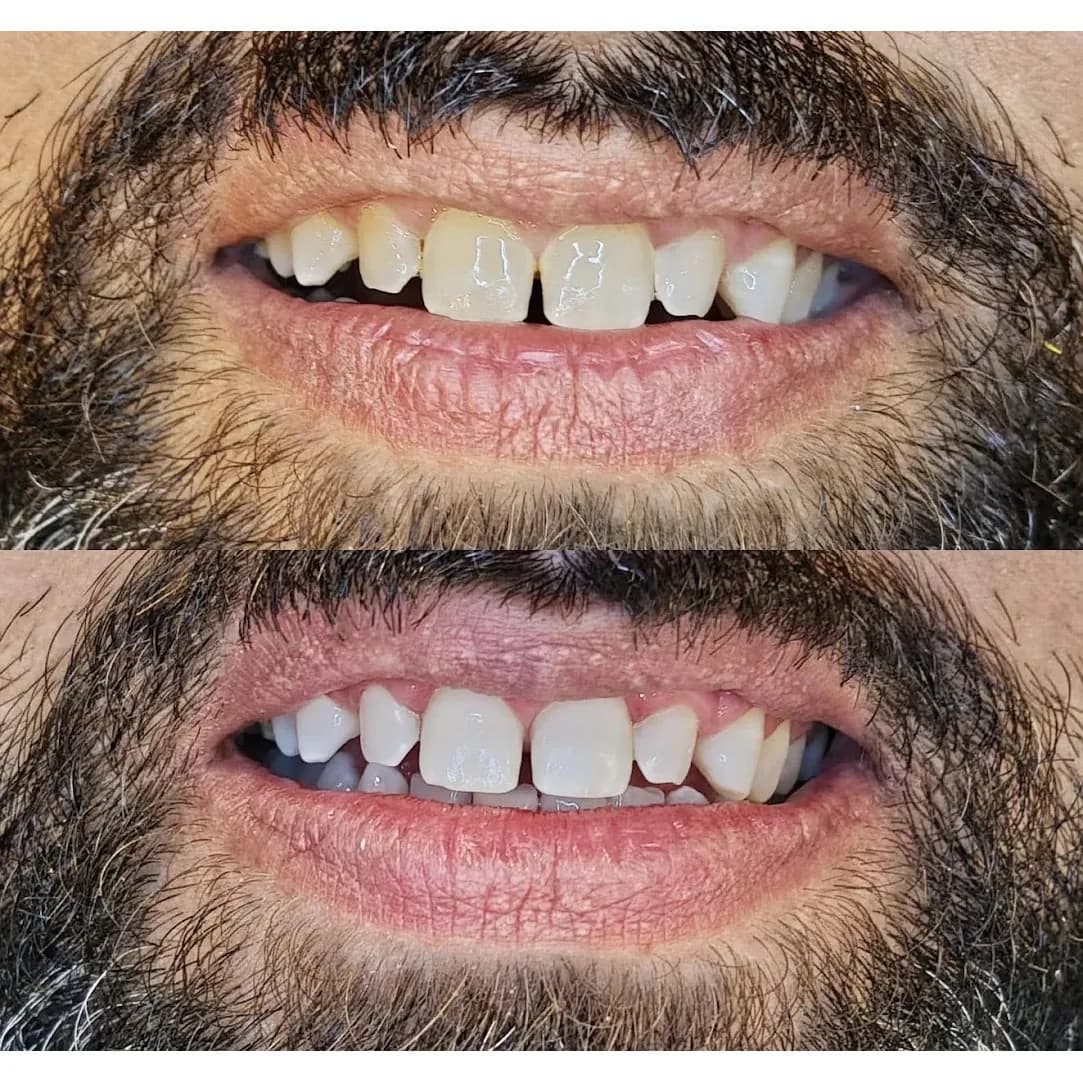
Scaling removes the plaque and hardened tartar that a toothbrush cannot shift — from the visible surfaces of the teeth and from just below the gumline. Polishing follows in the same visit, smoothing the tooth surface so plaque settles more slowly.
When it’s recommended
Usually every 6 to 12 months, and more often when gum disease is being managed. It is also the usual first step when gums bleed on brushing, or when tartar has built up along the gumline and no longer comes off at home.
What to expect
We check the gums first, then remove the deposits from each tooth using an ultrasonic scaler and hand instruments, working below the gumline where needed. The teeth are polished afterwards. Most people need no anaesthetic; if the gums are inflamed or the deposits are heavy, we can numb the area first.
Aftercare
The gums may feel tender and the teeth sensitive to cold for a few days — both settle. Keep brushing gently twice a day, clean between the teeth daily, and keep to the recall interval we give you, since how often you need scaling depends on how quickly deposits build up for you.
Common questions
What is the difference between scaling and polishing?
Scaling removes the plaque and tartar from the teeth and below the gumline. Polishing is the finishing pass that smooths the surface so plaque is slower to return. They are carried out in the same appointment.
How often should teeth be scaled?
For most people every 6 to 12 months. If you smoke, have gum disease, or build up tartar quickly, we may recommend a shorter interval.
Does scaling hurt?
Usually not. Most people feel vibration and cold water rather than pain. If your gums are inflamed or the deposits are heavy, we can numb the area first.
Does scaling damage or loosen teeth?
No. Scaling removes deposits, not tooth structure. Teeth can feel sensitive or slightly mobile for a few days after a heavy clean because the deposits around them have gone, and that settles as the gums tighten again.
Does scaling whiten teeth?
It removes surface staining, so teeth often look brighter afterwards, but it does not change the natural shade of the tooth. Whitening is a separate treatment.
- Typical visits
- 1, repeated every 6–12 months
Related care
Other treatments
at the clinic.
Discuss your care
Start with an
assessment.
Treatment availability and suitability are confirmed during your consultation.
Book an Appointment