Removing a tooth
Tooth Extraction
Removal of a tooth that cannot be saved, with aftercare explained beforehand.
Tooth Extraction — treatment details
An extraction removes a tooth that cannot be saved — because it is badly broken, deeply decayed, or loose from advanced gum disease. It is usually the last option once other treatment has been considered.
When it’s recommended
When a tooth is too damaged to restore, when an infection cannot be cleared, or when a tooth is crowding the others and orthodontic treatment needs the space.
What to expect
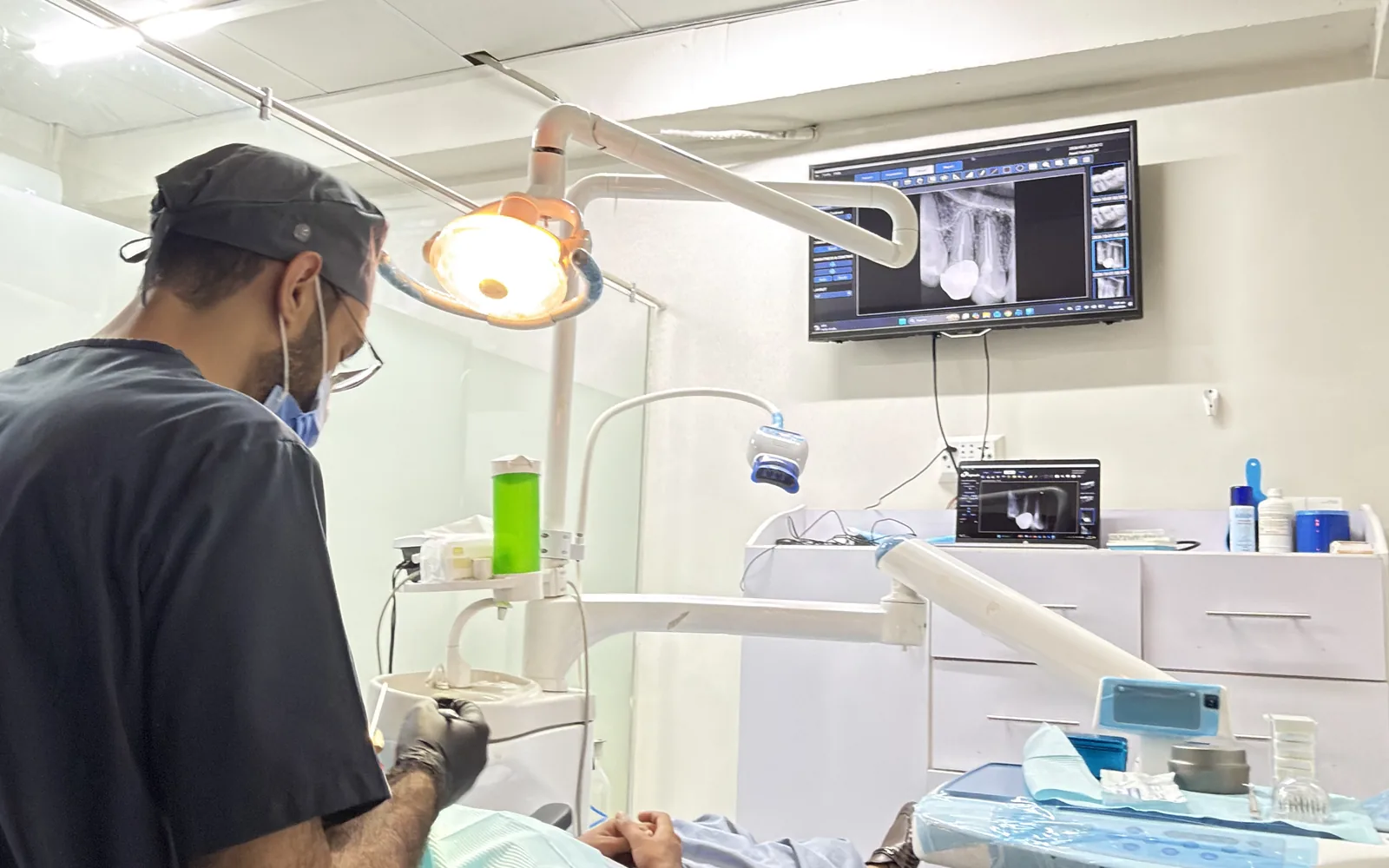
We take an X-ray and check the tooth first. The area is numbed with a local anaesthetic, the tooth is loosened and lifted out, and the socket is cleaned. A stitch is sometimes placed. You leave with written aftercare instructions and a plan for the gap.
Aftercare
Bite on the gauze we give you to control bleeding, apply a cold pack for the first day, and eat soft, cool food. Don’t smoke, use a straw or rinse vigorously for the first few days — that is what dislodges the clot. Contact the clinic if bleeding is heavy, if you develop a fever, or if pain gets worse after day three.
Common questions
Does a tooth extraction hurt?
You feel pressure and movement rather than sharp pain, because the area is numbed first. Soreness afterwards is normal for a few days and usually eases with pain relief.
How long does it take to heal?
The gum closes over the socket in one to two weeks. The bone underneath fills in over several months.
What is dry socket?
It happens when the blood clot that forms in the socket is dislodged, leaving the bone exposed. It is painful and needs to be seen. Avoiding straws, smoking and vigorous rinsing lowers the risk.
Should I replace the missing tooth?
Often, yes. Leaving a gap can let the neighbouring teeth drift and affect the bite. Bridges, implants and dentures are the usual options, and we will discuss which suits your case.
- Typical visits
- 1, plus a review if a stitch was placed
Related care
Other treatments
at the clinic.
- Wisdom Tooth RemovalThird molars · Assessment and removal of wisdom teeth when they are impacted or causing problems.
- Dental ImplantsReplacing a missing tooth · A post placed in the jaw to support a replacement tooth.
Part of Oral Surgery
Discuss your care
Start with an
assessment.
Treatment availability and suitability are confirmed during your consultation.
Book an Appointment